Buying a lakefront home in the Berkshires is exciting, but there are a handful of things buyers often overlook during showings that can have real implications after closing. These are not always deal breakers, but they should factor into how you evaluate a property and what you expect long term.
Here are some of the most common ones I see.
1. Dock permits
Dock permits are not required on every lake, but most of the larger and more desirable lakes do require them.
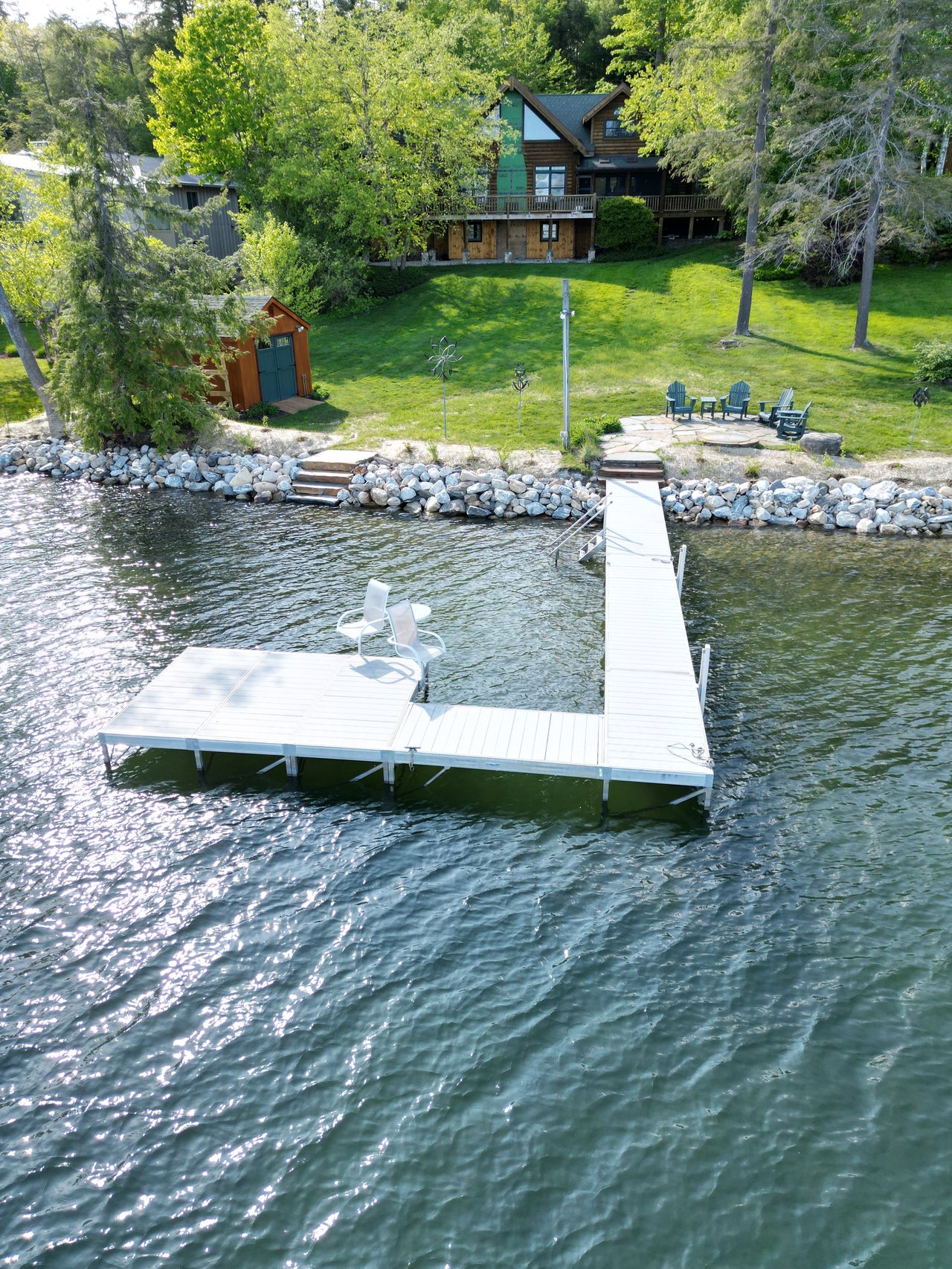
It is important to understand whether a dock is already permitted, grandfathered, or subject to renewal. In some cases, adding or modifying a dock later can be more complicated than buyers expect. This is one of those details that often gets glossed over during a showing but matters a lot once you own the property.
2. What the lake bottom actually feels like
Not all waterfront is created equal.
Before purchasing, it is worth understanding what the lake bottom feels like along your shoreline. Some areas have sandy or rocky bottoms, while others are muddy, mucky, or a mix of everything. The last thing you want is to jump off the dock on your first swim only to sink knee-deep into mud.
This can significantly affect how you actually use the waterfront, especially if swimming is a priority.
3. Shoreline condition and erosion
The condition of the shoreline matters more than many buyers realize.
If significant erosion is present, it should absolutely be factored into future maintenance costs. Rebuilding or stabilizing a shoreline can be very expensive, and environmental regulations add both complexity and cost. It may not seem urgent at first, but once erosion starts eating into usable yard space, it becomes a much bigger concern.
4. The condition and size of the dock
Docks are not inexpensive.
If a dock needs to be replaced, buyers should expect to pay at least a few thousand dollars per section. Most dock sections are 4x8, 5x8, or 4x10 feet, and many municipalities cap total dock size at around 300 square feet.
While buying a brand-new dock allows you to choose the configuration you want, it is important to understand that, like most aspects of lakefront ownership, it is not cheap.
5. Whether a boat lift is a lifestyle upgrade or a necessity
Boat lifts are not always just a convenience. In some locations, they are a defensive measure.
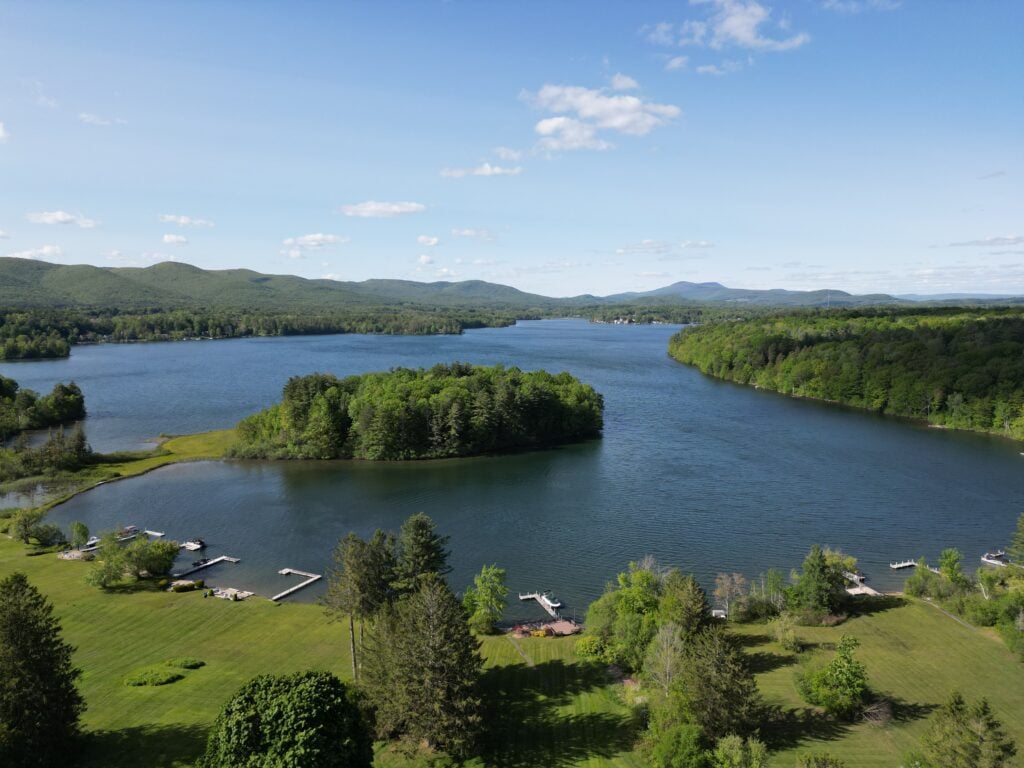
For example, many homeowners on Lake Buel install boat lifts not by choice but out of necessity. Power boats and wake-surfing boats create large wakes, and I have seen boats slammed against docks or even lifted over dock pipes and left resting on top of the dock itself.
Because Lake Buel is long and narrow, many shorelines are highly exposed to boat traffic and wake activity. Homes in small coves are often better protected, but more exposed locations frequently require lifts simply to keep boats safe.
6. Want a beach?
If you buy a waterfront home with an existing beach, you are typically allowed to maintain it.
However, if you are hoping to install a new beach where one does not already exist, expectations should be tempered. New beach installations are heavily regulated, difficult to permit, and often not approved. This is one of those features that is much easier to keep than to create from scratch.
Final thought
Lakefront homes can look similar at first glance, but the details matter. Docks, shorelines, lake conditions, and regulations all play a role in how enjoyable and manageable a property will be over time.
Understanding these factors before you buy can save you from surprises and help you choose a home that truly fits how you want to live on the lake.