Pricing waterfront homes in the Berkshires is rarely straightforward. Unlike suburban neighborhoods or higher-volume markets, data here is thin, every lake behaves differently, and no two properties are truly alike.
I have priced waterfront homes across the Berkshires, set record sales in towns and on individual lakes, and also watched homes sell for less than they should have because pricing was not properly optimized from the start. When comparable sales are limited or nonexistent, pricing becomes less about formulas and more about judgment.
Here is how I think about it.
1. Every Berkshire lake is its own market
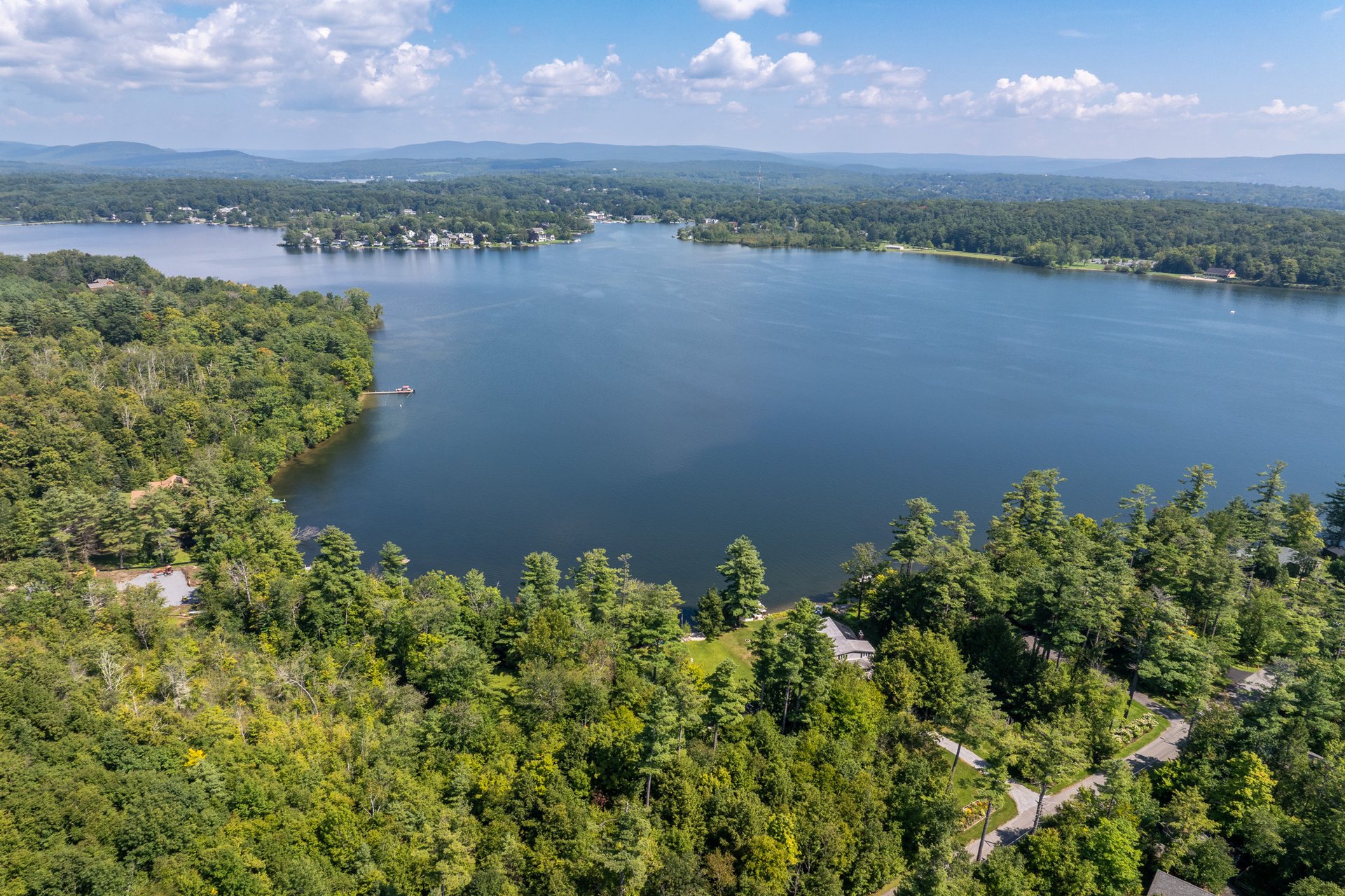
There are only a few thousand waterfront homes in the Berkshires, and every lake functions as a hyper-local market. Even over a one- to three-year window, you may only have one or two usable data points, if you are lucky.
That means pricing waterfront homes here cannot rely on volume or averages. It requires judgment.
2. Similar homes can be millions apart depending on the lake
Two homes can be identical in size, condition, and lot characteristics, yet command vastly different prices depending on location.
A home on Stockbridge Bowl and a home on the Cheshire Reservoir are not competing in the same buyer pool, even if the houses themselves are identical. Cultural proximity, prestige, and buyer demand create price separation that comps alone cannot explain.
3. Pricing should start with identifying the buyer
When comps are thin, the first step is not spreadsheets. It is buyer profiling.
More affordable lakes or homes needing updates typically benefit from conservative pricing that generates early interest and avoids market stigma.
On the most desirable lakes, particularly for well-updated or turnkey homes, reaching on price can make sense. Buyers waiting for rare opportunities often care more about availability than marginal price differences.

4. Scarcity changes how buyers think about price
On ultra-desirable lakes, buyers often measure time, not dollars.
A half-million-dollar difference may matter far less to a high-net-worth buyer than the uncertainty of when the next comparable home will come to market. Scarcity creates pricing flexibility that traditional comps do not capture.
5. Looking outside the Berkshires for pricing context
In some cases, it makes sense to look beyond Berkshire County for context.
Lakes like Stockbridge Bowl, Copake Lake, and Goose Pond can share overlapping buyer pools. While these comparisons do not replace local comps, they can help establish a realistic ceiling and provide insight into buyer mindset when local data is limited.
6. Irreplaceable land always carries outsized value
One of the most important factors in pricing is how irreplaceable the property is.
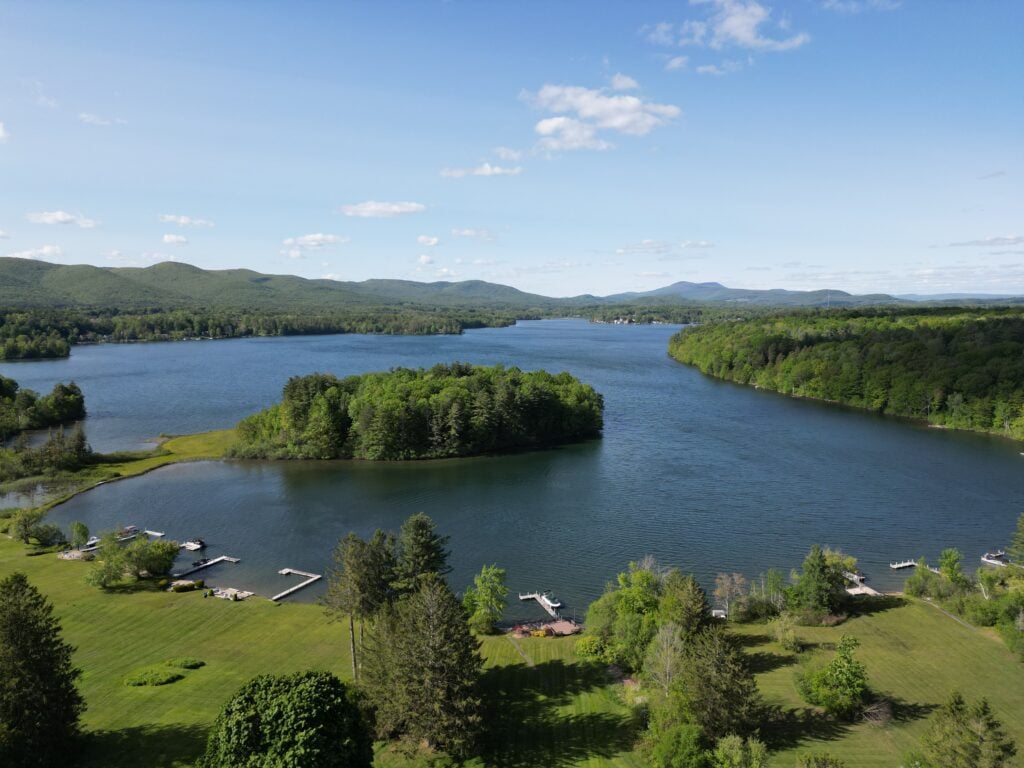
Private islands, peninsulas, and unique shoreline configurations cannot be recreated, regardless of budget. These characteristics alone can justify premium pricing independent of the house itself.
7. Pre-existing proximity to the water matters more than condition
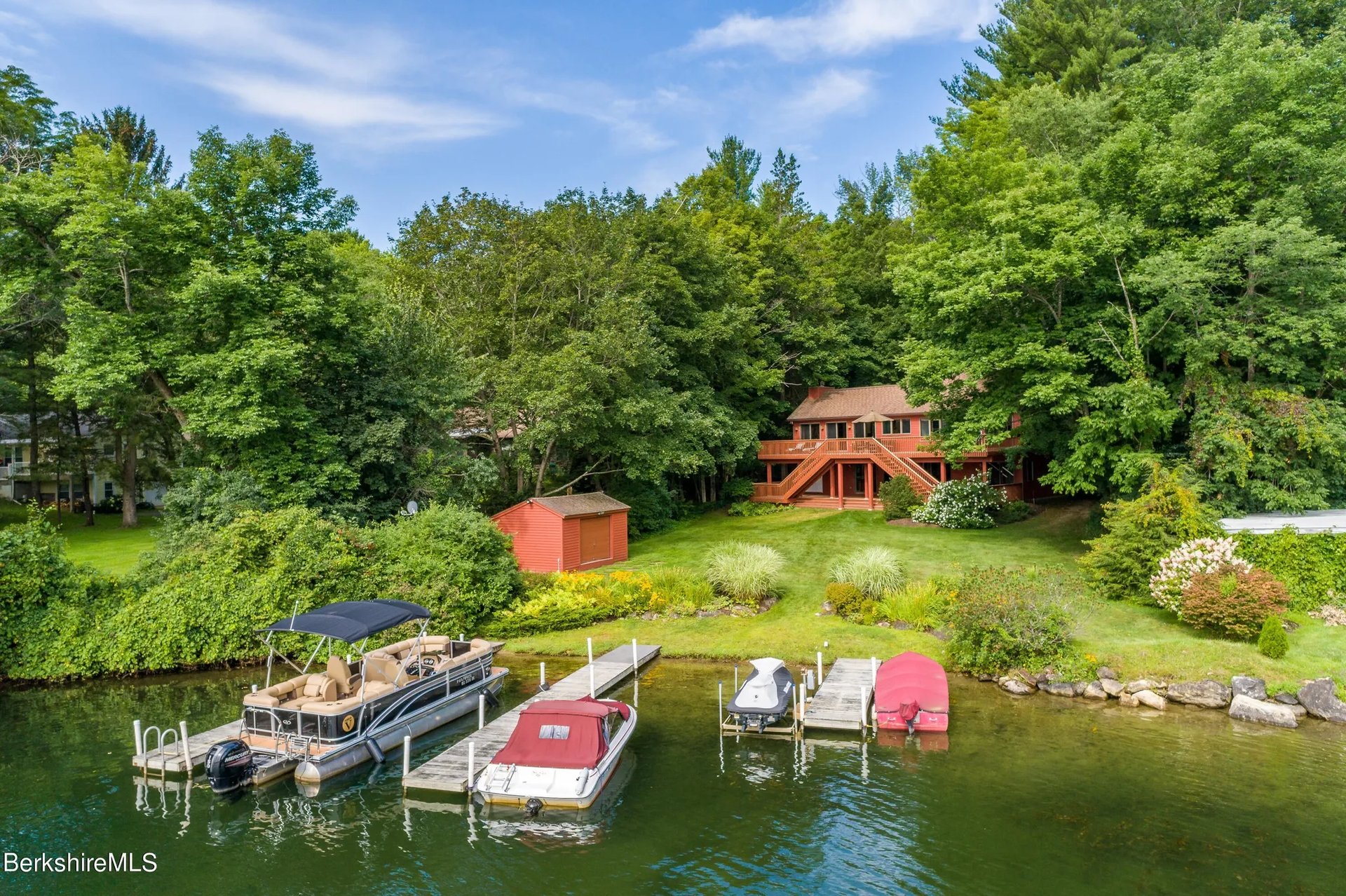
Homes with grandfathered footprints close to the water can carry extraordinary value.
Environmental regulations prevent new construction within setback zones, meaning a home sitting ten feet from the water today can never be replicated. Even a dated or rough structure may hold immense value simply because of where it sits.
8. Turnkey architecture appeals to time-constrained buyers
While someone could replicate this in theory, modern and well-executed homes still command premiums.
Many Berkshire homes require significant updating. Buyers who value time over customization often pay more for homes they can move into immediately, particularly given the cost and complexity of building or renovating today.
9. Why some homes sell for less than they should
When pricing fails to account for buyer psychology, scarcity, and uniqueness, waterfront homes can miss their potential.
Overpricing the wrong property or underpricing a rare one can both leave money on the table. Optimized pricing is less about hitting a number and more about aligning the home with the right buyer at the right moment.
Final thought
Waterfront pricing in the Berkshires is not about finding the perfect comp. It is about understanding the lake, the land, the buyer, and the moment in the market. When those pieces come together, pricing becomes a strategic tool rather than a guessing game.